2026 National Shareholder Presentations
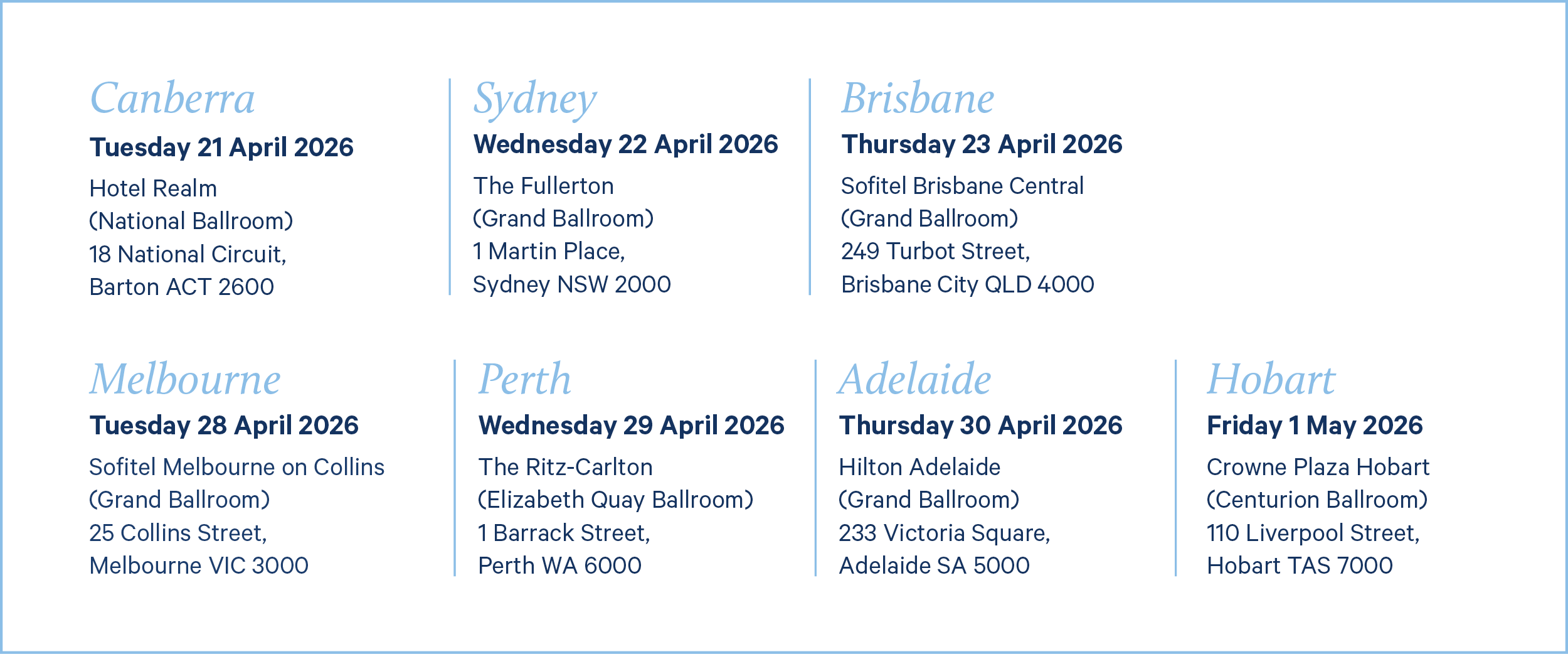
Starting tomorrow in Canberra, we look forward to meeting with shareholders across Australia at our 2026 National Shareholder Presentations. Hear investment insights from both the Wilson Asset Management and Future Generation teams and meet other likeminded investors.
Seats are filling up fast so be sure to register here. See below for the event dates.
The presentations have been accredited for continuing professional development by the Financial Advice Association of Australia and are eligible for two CPD hours. To receive your certificate, please email [email protected] to confirm your attendance following the presentation.
The big picture
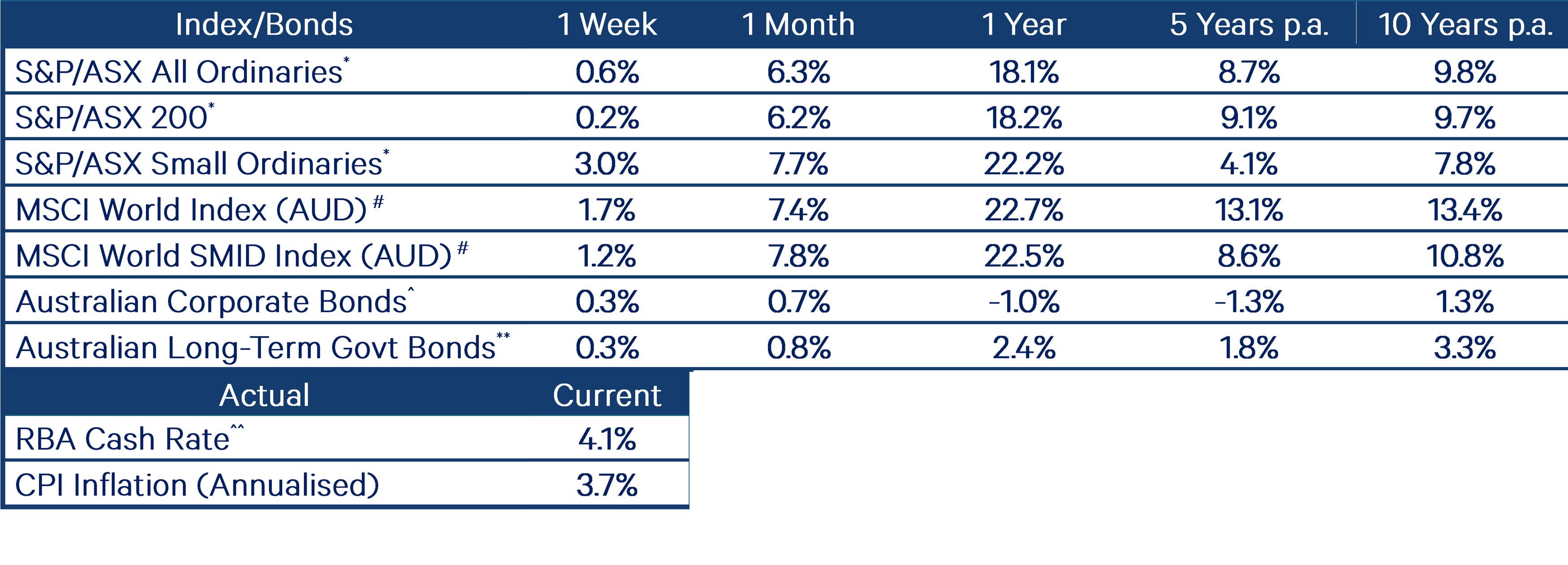
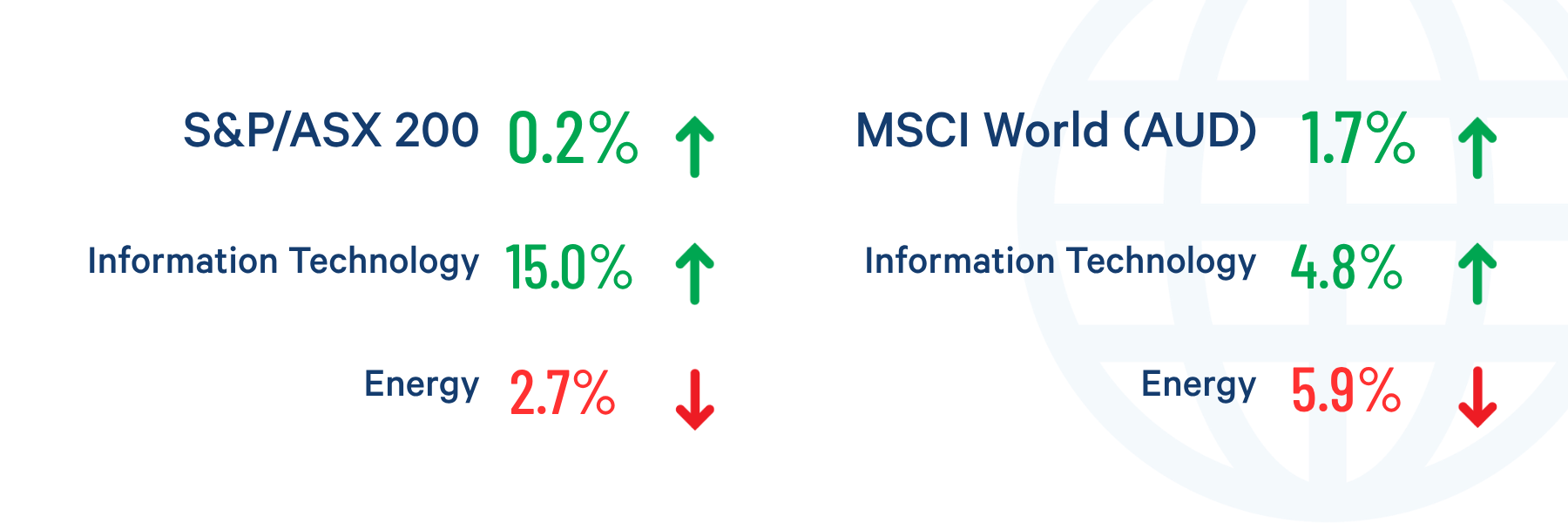
The Australian share market saw modest gains over the week as investors responded to developments around US-Iran ceasefire negotiations. Deputy Reserve Bank of Australia (RBA) Governor Andrew Hauser said Australia faces a “big income shock” as the conflict pushes inflation higher, noting there is little the RBA can do in the short term to curb rising prices. Australia’s unemployment rate held steady at 4.3% in March, with strong gains in full‑time employment offset by a decline in part‑time work. Economists note the data pre‑dates the economic impact of the Middle East conflict.
In the US, share markets rose for a third consecutive week, supported by optimism around ceasefire negotiations, solid earnings results and positive economic data releases. US President Donald Trump’s negotiators are expected to arrive in Pakistan this evening for a new round of peace talks with Iran.
Singapore’s central bank tightened monetary policy and lifted its inflation outlook, citing surging oil and gas prices. The International Monetary Fund has cut its 2026 global growth forecast from 3.4% to 3.1% and expects inflation to rise to around 6% as the energy crisis continues.
Brent crude oil fell 5.1% over the week, driven largely by losses on Friday as ceasefire hopes briefly resurfaced before being questioned again. It is down 9.1% over the past month.
In the week ahead, markets will be closely watching developments between the US and Iran, along with company results and updates in the US earnings season.
Macro in a minute: China’s economic pivot
Chinese economic growth is set to pick up again. Although the economy faces headwinds over the long term for structural reasons, in the nearer term, financial conditions are very supportive. Importantly, the economy is not experiencing large capital outflows, where money leaves the country, or a drain on liquidity, where there is less money circulating in the system, with the yuan moving higher against expectations. Even before any major stimulus announcements, we think that financial conditions are aligned with electricity output growth rising to almost 6% annualised in the coming quarters, up from 3.6% in March.
Commentators with a more negative outlook on the Chinese economy focus on weakness in the property sector and ongoing demographic challenges. However, monthly data suggest that residential property supply growth is falling much faster than demand for housing, helping limit the build-up of unsold homes.
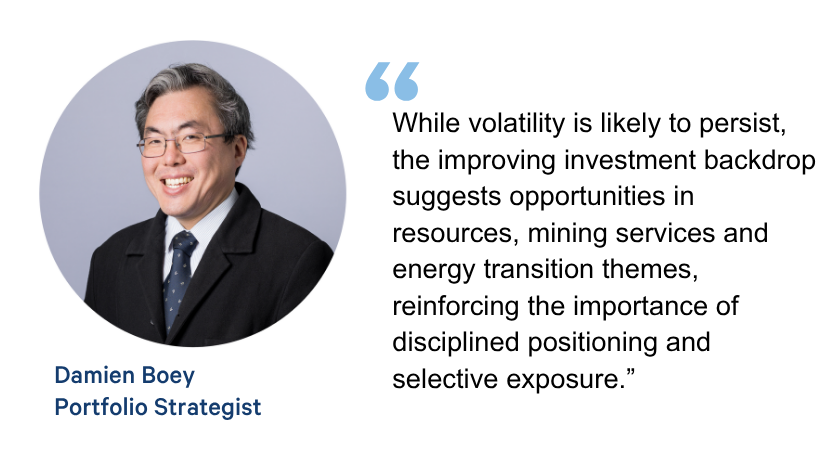
China is pursuing a rebalancing of economic growth away from property and the consumer, and towards infrastructure and high-end industrial sectors. For investors, especially in Australia, this shift is significant. China’s renewed focus on infrastructure, energy systems and advanced manufacturing is supporting demand for key commodities such as lithium, copper, aluminium and uranium. This supports resource-heavy sectors despite ongoing macroeconomic and geopolitical risks. While volatility is likely to persist, the improving investment backdrop suggests opportunities in resources, mining services and energy transition themes, reinforcing the importance of disciplined positioning and selective exposure.
Stock watch
GemLife Communities (ASX: GLF), owner and developer of over 50s lifestyle communities, presented at a roundtable investor series we attended. The company continues to benefit from strong underlying demand for affordable retirement housing. Its vertically integrated model, combined with a disciplined approach to pricing, positions GemLife Communities well to maintain superior sector margins. New community rollouts are expected to support long term earnings growth, underpinned by a large land bank that provides visibility over medium term community development and earnings.
MYOB is a leading business management platform, offering a range of cloud-based and Artificial Intelligence (AI) powered solutions to help businesses manage their finances, operations and more. MYOB was acquired by private equity firm KKR in a public-to-private transaction in 2019 and continues to grow its earnings through organic growth, strategic acquisitions and new product launches. WAM Alternative Assets’ (ASX: WMA) investment in MYOB, alongside its private debt investment partner Intermediate Capital Group, provides exposure to a market leading business with strong cashflows, while increasing downside protection through the structure of a senior secured loan.
In the media
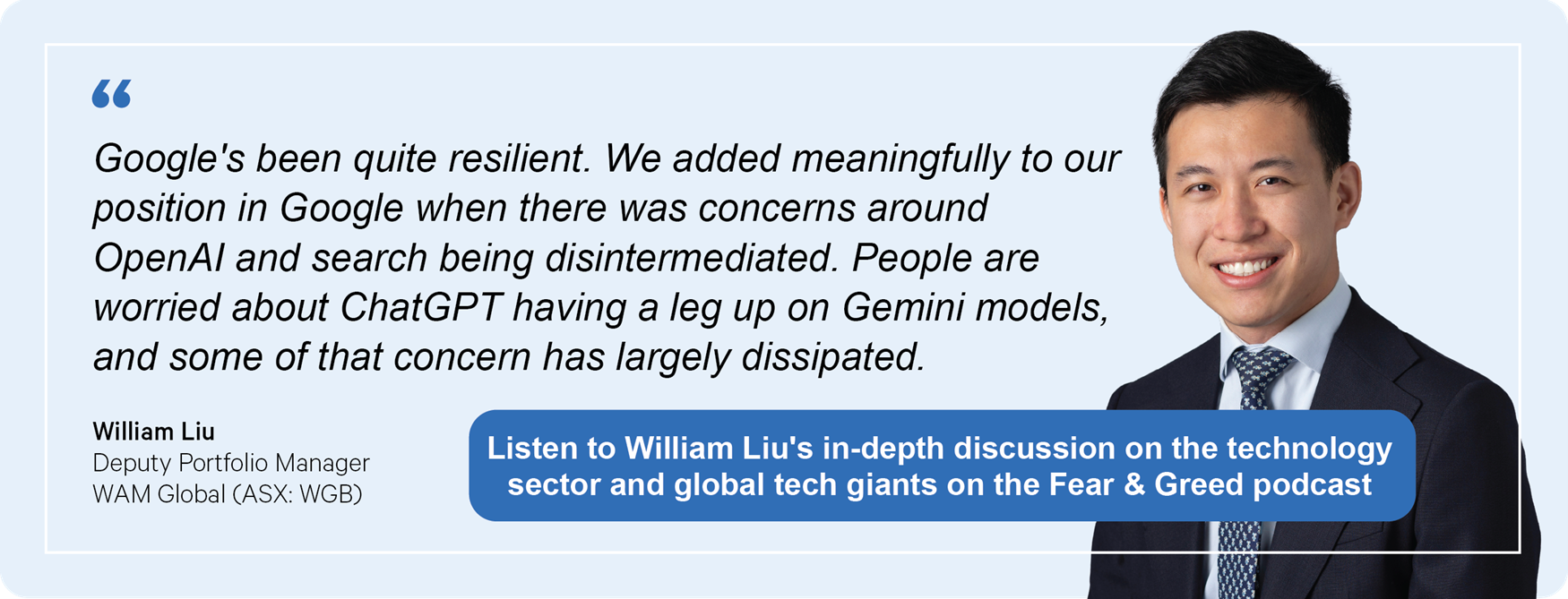
You asked, we answered
Q. What do we mean when we talk about listed investment companies trading at a premium or a discount?
A. Unlike traditional consumer products, a “premium” in listed investment companies (LICs) has a very specific meaning. It simply refers to the share price trading above the company’s net tangible assets (NTA). While a premium can reflect strong demand at a point in time, it also means investors are paying more than the value of the underlying assets. By contrast, when a LIC trades at a discount, the share price is below NTA – meaning investors are buying the same portfolio of assets for less than their underlying value. That’s why many investors pay close attention to discounts and premiums when assessing LICs.